

How to Create a Preventive Health Checklist for Older Adults
Modern medicine is often reactive—we wait until symptoms appear before we seek help. However, as we age, the most powerful tool for longevity is shifting toward a proactive, preventive model. A personalized preventive health checklist is not just a list of appointments; it is a “Medical Dashboard” that organizes your health data, ensures no critical screening is missed, and provides you with the data necessary to collaborate effectively with your healthcare providers.
The Core Four Categories
A comprehensive checklist should be organized into four quadrants. By categorizing your needs, you can easily identify what is due immediately and what can wait for the next annual cycle.
- Clinical Screenings: These are your baseline vitals—blood pressure, blood glucose (for diabetes), and lipid panels (cholesterol). These metrics serve as the primary indicators of cardiovascular health.
- Cancer Screenings: This category includes age-appropriate screenings such as colonoscopies (colorectal cancer), mammograms, prostate screenings, and annual full-body


Essential Hydration and Electrolyte Nutrition Tips for Bodybuilders
Muscles are roughly 75% water, yet many bodybuilders spend hours meticulously tracking their protein and carbohydrates while giving almost no thought to their fluid intake. Hydration is not merely about drinking “enough” water; it is a complex physiological necessity. If you are dehydrated, your performance, strength output, and even your aesthetic muscle fullness will suffer significantly. In bodybuilding, hydration is the foundation upon which your training and recovery sit.
The Physiology of Fluid
In a bodybuilding context, water exists in two primary compartments: intracellular (inside the muscle cell) and extracellular (outside the cell). Optimal muscle volume and the coveted “pump” depend on maintaining a balance between these two.
When you become dehydrated, your blood volume decreases, which forces your heart to work harder to deliver oxygen and nutrients to your muscles. This leads to a measurable drop in neural drive, focus, and strength output. Monitoring your hydration is simple: check … Read More
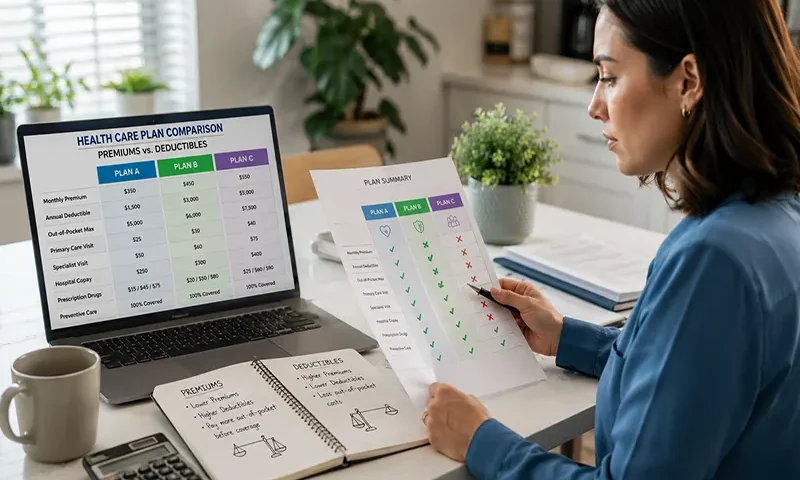
How to Compare Health Care Plans: Premiums vs. Deductibles
For most people, choosing a health insurance plan feels like an exercise in frustration. You are forced to navigate a maze of terminology, trying to balance what you pay every month against what you might have to pay if you actually get sick. It is common to see a low monthly premium and assume it is the “cheaper” plan, or to see a high deductible and assume it is the “riskier” one.
In reality, comparing health plans is a financial math problem. To choose the right coverage, you must stop looking at your monthly bill in isolation and start calculating your Total Cost of Care.
Decoding the Terms
Before running the numbers, you must understand the four pillars of health insurance costs:
- Premium: The fixed amount you pay every month just to keep your insurance active, regardless of whether you see a doctor.
- Deductible: The amount you must pay

Low-Impact Cardio Exercise Tips for Seniors to Do at Home
Maintaining cardiovascular health is one of the most significant factors in aging well. Regular aerobic activity strengthens the heart, improves lung capacity, boosts mood, and enhances overall stamina. However, for many seniors, traditional high-impact cardio—like running or jumping—can be hard on the joints, leading to unnecessary aches or even injury.
“Low-impact” does not mean “low-results.” By choosing activities that elevate your heart rate while keeping at least one foot on the ground, you can achieve all the benefits of cardio without the jarring stress on your knees, hips, and ankles. Staying active at home is not only possible; it is a safe, effective, and convenient way to preserve your independence and keep your body moving smoothly.
Safety First: Preparing Your Body
Before beginning any new exercise regimen, always consult with your physician to ensure the activities align with your specific medical history.
- The “Talk Test”: When exercising, you should be
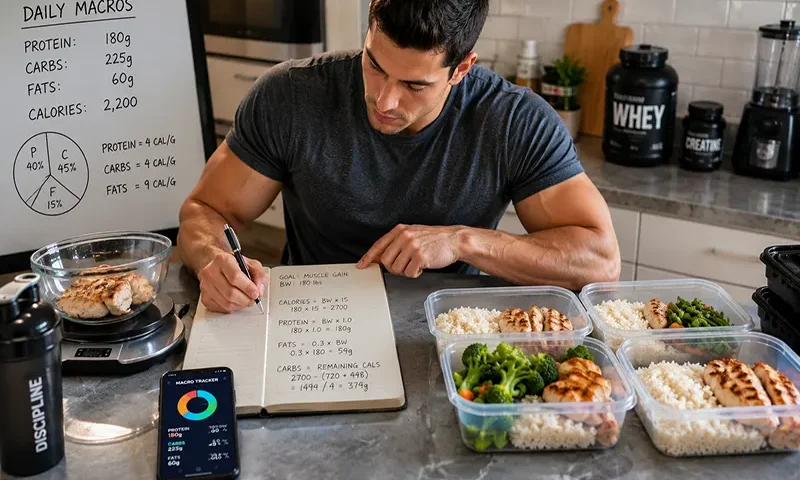
How to Calculate Daily Macros for Bodybuilding Meal Prep
In the world of bodybuilding, nutrition is the most critical variable you control. While general “clean eating” can provide health benefits, it often lacks the precision required to drive specific physiological changes—such as maximal muscle hypertrophy or targeted fat loss. Macro tracking is the process of quantifying your intake of protein, fats, and carbohydrates, effectively turning your nutrition into a measurable data set. By mastering this math, you eliminate the guesswork and ensure that your body has exactly what it needs to perform, recover, and grow.
The Foundation: TDEE and Goal Setting
Before you can track macros, you must determine your Total Daily Energy Expenditure (TDEE)—the total number of calories you burn in a day through basic metabolic functions and physical activity.
To calculate this, use an online TDEE calculator that factors in your age, height, weight, and activity level. Once you have this baseline, you must adjust it … Read More